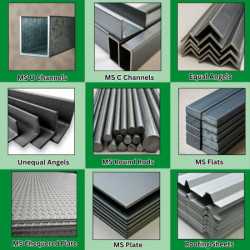
Primary and Secondary Steel are widely used across residential, commercial, industrial, and infrastructure projects. Primary steel is preferred for applications requiring maximum strength, precision, and long-term durability, while secondary steel provides an economical solution for general construction and fabrication. Both materials are available in products such as TMT bars, structural steel, beams, channels, and plates. Selecting the right steel type depends on project specifications, eng...Read more
Primary and Secondary Steel are widely used across residential, commercial, industrial, and infrastructure projects. Primary steel is preferred for applications requiring maximum strength, precision, and long-term durability, while secondary steel provides an economical solution for general construction and fabrication. Both materials are available in products such as TMT bars, structural steel, beams, channels, and plates. Selecting the right steel type depends on project specifications, engineering requirements,
The manufacturing process is one of the key differences between Primary and Secondary Steel. Primary steel is produced directly from iron ore using blast furnaces and basic oxygen furnaces, ensuring high purity and consistent quality. Secondary steel is manufactured by melting recycled scrap in electric arc furnaces, making it more environmentally friendly and economical. While both types of steel have important applications, their performance varies depending on production methods and quality control standards. Understanding Primary and Secondary Steel enables buyers to choose materials that align with their construction, manufacturing, and engineering requirements.
Read less